

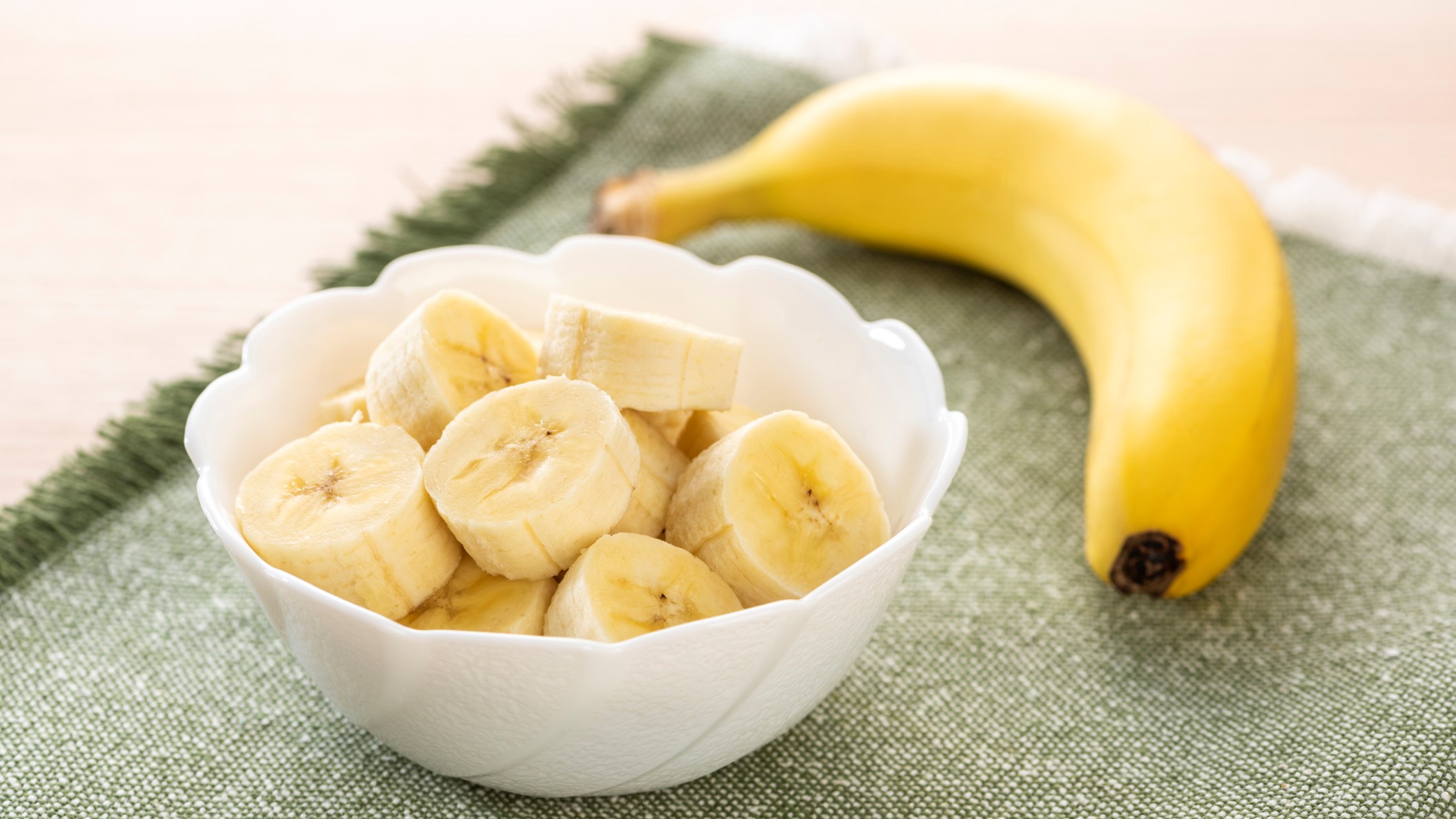

Bananas are one of the most popular fruits worldwide, loved for their natural sweetness, portability, and health benefits. Whether eaten as a snack, added to breakfast, or blended into smoothies, bananas provide essential nutrients that can complement a healthy diet. But what exactly does 1 banana contribute to your daily nutrition? This article explores banana nutrition facts, medium banana nutrition, and practical ways to include this fruit in your daily routine.
Understanding Banana Nutrition Facts
Bananas are more than just a convenient snack—they are packed with nutrients essential for energy, metabolism, and overall health. Understanding banana nutrition facts helps you make informed dietary choices and incorporate bananas effectively into your meals.
Key Nutrients in a Banana
Bananas contain a mix of macronutrients and micronutrients that support various bodily functions. The primary components include carbohydrates, natural sugars, dietary fiber, vitamins, and minerals.
-
Carbohydrates: Bananas are rich in carbohydrates, primarily in the form of natural sugars like glucose, fructose, and sucrose. These sugars provide quick energy, making bananas a popular choice for pre-workout fuel.
-
Fiber: Dietary fiber in bananas promotes digestive health, improves satiety, and may support weight management by reducing overall calorie intake.
-
Vitamins: Bananas are an excellent source of vitamin C, which supports immunity, and vitamin B6, which plays a key role in metabolism and brain function.
-
Minerals: Potassium is the standout mineral in bananas, critical for heart health, muscle function, and fluid balance. Magnesium and manganese are also present in moderate amounts, aiding bone health and enzyme function.
Calories, Carbs, and Fiber Content
A medium banana (about 118 grams) contains approximately 105 calories, making it a low-calorie, nutrient-dense fruit. The carbohydrate content is around 27 grams, with about 14 grams of natural sugars and 3 grams of dietary fiber. These numbers make bananas a great source of quick energy without the added empty calories often found in processed snacks.
Vitamins and Minerals in Bananas
Bananas provide a broad spectrum of essential vitamins and minerals:
-
Vitamin C: Supports immune function and skin health.
-
Vitamin B6: Helps metabolize amino acids and produce neurotransmitters.
-
Potassium: Regulates blood pressure and supports heart and muscle health.
-
Magnesium: Assists in muscle and nerve function, energy production, and bone health.
-
Manganese: Supports bone formation and antioxidant defenses.
“Bananas are a nutrient-rich fruit providing energy, fiber, vitamins, and minerals. A medium banana can boost heart, digestion, and immunity naturally.”
Banana Nutrition Info: Why It Matters
Understanding banana nutrition info is crucial because it shows how this fruit can fit into your daily dietary plan. Despite being sweet, bananas offer complex health benefits far beyond calories.
Health Benefits of Eating Bananas
Bananas provide natural energy, support digestion, and help maintain heart health. They contain antioxidants like dopamine and catechins, which protect against free radical damage and inflammation. Regular banana consumption may help stabilize blood sugar levels, especially when eaten with protein or healthy fats.
How Bananas Support Heart Health
Potassium in bananas is a key nutrient for heart health. It helps regulate blood pressure, reducing the risk of hypertension. Moreover, fiber in bananas can lower LDL cholesterol, contributing to cardiovascular health.
Bananas and Digestive Health
The soluble fiber in bananas promotes healthy digestion by feeding beneficial gut bacteria and supporting regular bowel movements. Additionally, resistant starch in slightly under-ripe bananas acts as a prebiotic, encouraging a healthy microbiome.
1 Banana Nutrition: A Daily Overview
So, what exactly does 1 banana contribute to your daily diet? Let’s break down its nutritional profile.
Macronutrient Breakdown of One Banana
| Nutrient | Amount (Medium Banana, ~118g) |
|---|---|
| Calories | 105 kcal |
| Carbohydrates | 27 g |
| Sugars | 14 g |
| Dietary Fiber | 3 g |
| Protein | 1.3 g |
| Fat | 0.3 g |
| Vitamin C | 10 mg |
| Vitamin B6 | 0.4 mg |
| Potassium | 422 mg |
| Magnesium | 32 mg |
| Manganese | 0.3 mg |
This single banana provides approximately 10% of your daily potassium needs and 20% of your vitamin B6 requirements, making it an excellent choice for nutrient supplementation without overconsuming calories.
Energy Boost from a Single Banana
Bananas provide a rapid source of energy due to their carbohydrate content. This makes them ideal for athletes, students, or anyone needing a quick boost during the day. The natural sugars are easily digestible, fueling muscles and the brain effectively.
Portion Control and Dietary Considerations
One banana is a balanced snack that can fit into most diets, from weight loss plans to high-calorie diets. While bananas contain sugar, it is natural sugar, which is healthier than refined sugar. Moderation is key, especially for individuals managing blood sugar levels.
- Bananas can be combined with protein or healthy fats to reduce the glycemic impact.
-
Eating one banana a day supports nutrient intake without excess calories.
Medium Banana Nutrition: A Perfect Snack Size
Medium bananas are the most commonly consumed size and provide a convenient, nutrient-dense snack.
Nutritional Comparison: Small, Medium, and Large Bananas
While medium bananas weigh about 118 grams, small bananas are around 100 grams, and large bananas weigh over 135 grams. The calorie and nutrient content scale proportionally:
- Small banana: ~90 calories, 23 g carbs, 3 g fiber
- Medium banana: ~105 calories, 27 g carbs, 3 g fiber
-
Large banana: ~121 calories, 31 g carbs, 4 g fiber
Ideal for Weight Management
Medium bananas provide enough fiber and natural sweetness to curb cravings and keep you full, making them suitable for weight-conscious individuals. Pairing bananas with protein sources like yogurt or nuts can enhance satiety.
Medium Banana as a Pre- or Post-Workout Snack
The combination of carbohydrates, potassium, and magnesium makes bananas excellent for pre- or post-workout consumption. They help replenish glycogen stores and support muscle recovery while preventing cramping.
“A medium banana offers energy, fiber, and potassium, making it an ideal snack for weight management, workout fuel, and overall health benefits.”
How to Include Bananas in Your Daily Diet
Bananas are versatile and can be consumed in various ways to maximize nutritional benefits.
Breakfast Ideas with Bananas
Bananas can be sliced into oatmeal, cereal, or yogurt. They add natural sweetness and extra fiber to your breakfast, keeping you energized throughout the morning.
Smoothies and Snacks
Blending bananas into smoothies provides a creamy texture without added sugar. They can also be eaten as a quick snack on-the-go, requiring no preparation.
Creative Recipes Using Bananas
Bananas can be used in baking, such as banana bread, muffins, and pancakes, providing natural sweetness. They can also be frozen and blended for ice cream alternatives.
Potential Considerations When Eating Bananas
While bananas are nutritious, there are a few considerations to keep in mind.
Sugar Content and Glycemic Index
Bananas have natural sugars, which may impact blood sugar in sensitive individuals. Pairing them with protein or healthy fats can mitigate these effects.
Allergies or Sensitivities
Although rare, some individuals may have banana allergies. Symptoms can include itching, swelling, or digestive discomfort.
Pairing Bananas with Other Foods
Bananas pair well with peanut butter, oats, yogurt, and nuts, which can improve nutrient absorption and balance macronutrient intake.
Conclusion: Why One Banana a Day Can Be Beneficial
In summary, 1 banana a day provides essential nutrients, including potassium, fiber, vitamin B6, and vitamin C. It supports heart health, digestion, and energy levels. Medium bananas are particularly convenient for portion control and can be incorporated into meals or eaten as snacks.
Adding bananas to your diet is an easy, natural way to boost nutrition without adding excess calories. Their versatility, taste, and nutrient density make them a valuable fruit for nearly everyone.
“One banana a day delivers fiber, vitamins, and potassium, supporting digestion, heart health, and natural energy. A simple fruit with powerful benefits.”
Read More:- Fast Food and Health: Comparing Chipotle vs. Chick-fil-A Nutrition