

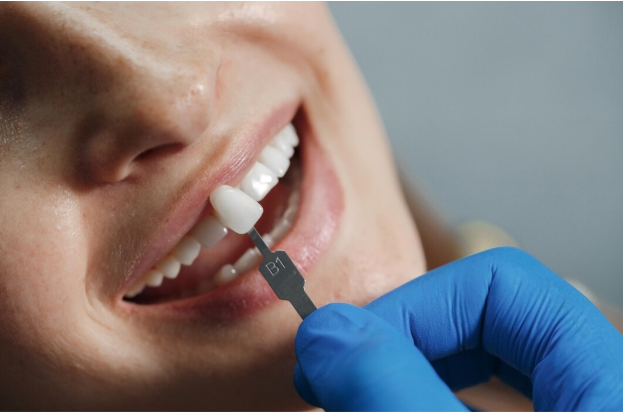

A good smile creates a remarkable first impression and an admirable presence. When teeth appear chipped or stained, people look for cosmetic dental solutions that restore beauty without unnecessary complexity.
Two options frequently discussed in cosmetic dentistry are surface restorations and surgically placed replacements. Understanding the option that delivers good aesthetic and practical outcomes helps patients make informed decisions.
In this article, we will discuss 4 reasons why veneers are better than periodontal implants for chipped or stained teeth. Read on!
Preserving the Natural Tooth Structure
Preservation is highly important in modern dentistry. When a tooth is chipped or stained but structurally good, maintaining as much of the original tooth as possible produces better cosmetic and functional results. Surface restorations work with the existing tooth rather than replacing it entirely.
Surgical tooth replacement or periodontal implant remove the damaged tooth and relies on an artificial root anchored into the jawbone. This approach introduces permanent changes to bone and surrounding tissue.
For cosmetic concerns alone, such an invasive method can exceeds what the condition requires. Chipped edges and stubborn discoloration affect only the outer enamel, not the integrity of the tooth root.
Good Aesthetic Results
Cosmetic improvement depends on control over shape and surface texture. For chipped or stained teeth, appearance matters more than structural replacement. Surface restoration with veneers excel in delivering predictable and refined visual outcomes.
Dentists can carefully match color tones to surrounding teeth, ensuring seamless integration with the natural smile. Subtle adjustments in translucency and contour allow the restored tooth to show light in the same way as neighboring enamel.
This level of customization produces a smile that looks balanced and authentic. On the other hand, surgically placed replacements prioritize function over appearance.
Faster Treatment with Minimal Disruption
Time matters to patients seeking cosmetic improvement. Many individuals prefer solutions that fit into busy schedules without long recovery periods. Surface restorations require fewer appointments and shorter treatment timelines.
The process begins with a consultation, followed by preparation and placement within a limited number of visits. Patients can resume normal activities almost immediately, experiencing little to no discomfort. This efficiency appeals to those who value convenience alongside quality.
Surgical tooth replacement demands a more complex timeline. The procedure involves extraction, healing, placement, and integration with the bone. Recovery may require several months, during which patients must follow specific dietary and hygiene restrictions.
Reduced Risk and Greater Comfort
Comfort plays a significant role in dental decision-making. Procedures that minimize discomfort and reduce risk naturally appeal to a wider range of patients. Surface-based cosmetic treatments offer a gentler experience compared to surgical alternatives.
These treatments involve limited enamel preparation and avoid invasive surgical steps. As a result, patients experience less anxiety, fewer side effects, and reduced need for pain management. The absence of surgical intervention lowers the likelihood of complications.
Surgical replacements introduce risks associated with anesthesia, bone integration, and tissue response. While these procedures remain safe when performed correctly, they still carry surgical risks.