


Introduction
Yoga is one of the oldest ways for people to improve themselves, and it is still very useful today. Yoga is not just about moving your body; millions of people do it every day to get fit, relieve stress, become more flexible, and find peace of mind. To really get how deep it is, you need to look at yoga as more than just an exercise; you need to see it as a way of life.
Yoga started in ancient India and has changed over thousands of years into a whole-body, mind, and spirit practice. Modern yoga classrooms primarily focus on posture-based practice, while classical yoga also contains ethical concepts, breathing methods, meditation, and self-awareness. Yoga is both a science and an art that can help you find balance and clarity in your life.
This article looks at yoga from its philosophical roots to its modern-day meanings. It helps readers comprehend what is yoga and why it continues to inspire individuals of all ages and cultures.
What Yoga Means and What It Is
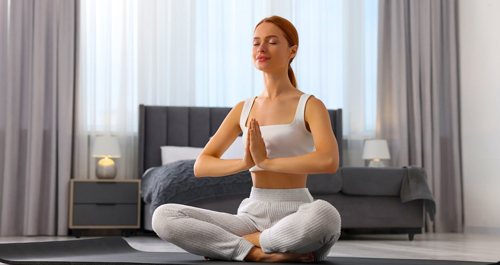
The word “yoga” derives from the old Sanskrit word “yuj,” which means to join, merge, or integrate. Yoga essentially denotes unity. This union might be thought of as the link between the body and mind, the breath and movement, or the individual mind and the global mind.
When people ask what is yoga, the simplest answer is that it is a disciplined practice that makes all parts of life work together. It doesn’t just contain physical postures; it also includes mental discipline, emotional equilibrium, and spiritual progress. Yoga encourages people to be alert, thoughtful, and deliberate, which helps them live with purpose and clarity.
Yoga is characterized in classical philosophy as the calming of mental disturbances. This means knowing how to watch your thoughts without letting them control you. Yoga helps people respond to life instead of reacting without thinking by developing inner stillness via regular practice.
The Old Roots of Yoga
Yoga originated in the ancient culture of the Indian subcontinent, around five thousand years ago. The first mentions of yoga can be found in holy books that talked about the nature of existence, consciousness, and human potential. These early teachings saw yoga as a spiritual practice that would free the mind from pain and ignorance.
Yoga has changed over the years as different philosophical schools have come and gone. The ancient sages improved its techniques and wrote them down in classical texts. These books depicted yoga as a methodical pathway to self-realization, highlighting discipline, introspection, and commitment.
If you look at yoga from a historical point of view, you can see that it was never designed to be a trend or a way of life. People used to do yoga as a lifelong commitment to changing themselves for the better by meditation, living by moral standards, and looking within.
The Basics of Yoga Philosophy
Yoga philosophy is the basis for everything else in yoga. It teaches that people suffer because they don’t know enough, are too attached, or are out of balance. Yoga helps you get past these problems by helping you become more conscious and in control of yourself.
Balance is one of the most important notions in yoga philosophy. Balance between hard work and relaxation, discipline and kindness, and action and rest. Yoga helps people learn self-control while also being kind and patient with themselves.
Mindfulness is another important idea. Yoga teaches the mind to stay in the present, which lets people fully enjoy life without worrying about the future or regretting the past. Yoga can help you find emotional stability and inner serenity if you pay attention to what you’re doing.
When you think about yoga in a philosophical way, you may see that it is more than just a physical routine; it is a guidance for living an ethical and fulfilling life.
Yoga as a Mind-Body Activity
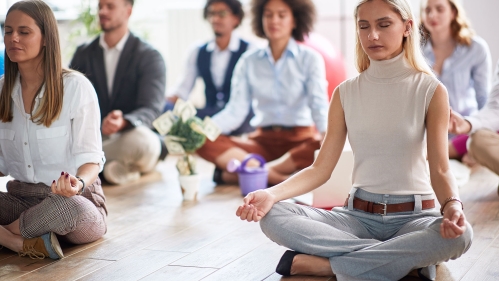
Yoga is often linked to physical health, flexibility, and strength in today’s world. These benefits are important, yet they are only a small part of what is yoga. Yoga is a discipline that combines movement, breath, and mindfulness into a single practice.
The goal of each pose is to make the body stronger and more flexible while also helping the mind focus. Breathing exercises that go along with movement can help relax the nervous system and increase focus. This combination makes even physical exercise feel like meditation.
Knowing that yoga is a mind-body exercise helps us understand why it works to reduce stress. Yoga helps you relax while staying aware, which lets the body let go of stress and the mind get back to being clear.
What Breath Does in Yoga
Breathing is very important in yoga. People utilize conscious breathing techniques to control their energies, calm their minds, and improve their physical performance. Being aware of your breath connects your conscious and unconscious mind, which makes it a great way to control yourself.
In yoga, you breathe slowly, deeply, and on purpose. This kind of breathing turns on the parasympathetic nervous system, which helps you relax and lowers your stress levels. With time, regular breath practice makes your lungs stronger and your emotions more stable.
Breathwork is a big part of the answer to the question “what is yoga besides physical poses?” Breath is what ties movement, meditation, and awareness together into one practice.
Yoga for Mental Discipline and Meditation
Meditation is an important part of yoga. Meditation develops the mind, while physical postures get the body ready. Meditation teaches people to watch their thoughts without judging them and to become more aware of themselves.
Yoga meditation can involve anything from focusing your mind to being aware of everything around you. These methods help you focus better, stay emotionally stable, and think more clearly. Meditation on a regular basis can help lower anxiety and make you feel more at peace.
To really get what is yoga, you need to know that its goal is to improve mental discipline. The most important thing is not to be physically beautiful, but to be mentally free and conscious of yourself.
Different Kinds of Yoga and How to get There
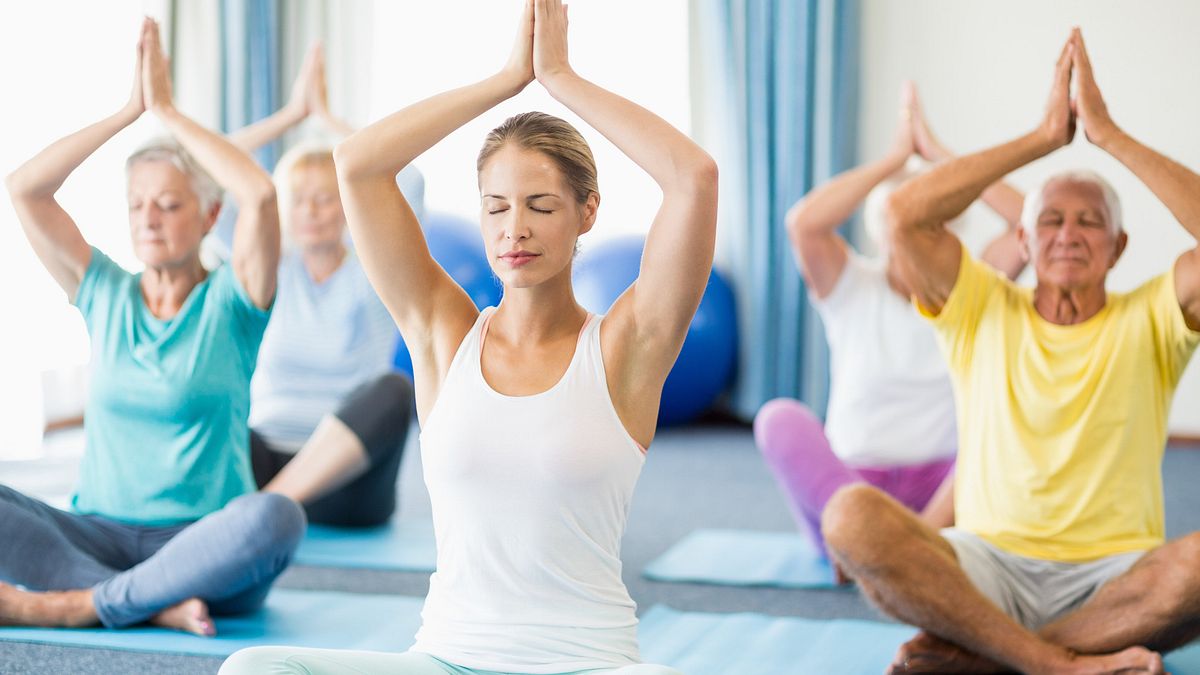
There are many distinct paths in yoga, and each one is good for a different kind of person and objective. Some paths stress physical discipline, while others stress dedication, knowledge, or doing things for others. These paths don’t have to be separate; they can work together.
Yoga that is based on the body focuses on breathing and poses. Devotional yoga is all about love and giving in. Yoga based on knowledge promotes questioning and wisdom. Yoga based on action teaches how to serve without worrying about the results.
If you look into these paths, you’ll see that yoga can’t be limited to one style or shape. Yoga changes to fit each person’s needs, but its basic goal is still to help people find themselves and balance.
Yoga in Today’s World
Yoga is a useful way to deal with stress and stay healthy in today’s fast-paced world. People today often have to sit for long periods of time, deal with too much digital information, and get tired mentally. Yoga helps people move, relax, and be aware of their surroundings, which is a good counterbalance.
Many people who take yoga courses now focus on getting fit, but as they keep doing it, they typically find deeper advantages like better mental clarity and emotional health. Yoga has been brought into schools, businesses, and healthcare settings because it has many benefits for the whole person.
To understand what is yoga now, you need to know how flexible it is. Yoga changes over time, yet its basic ideas stay the same.
Yoga is Good for Your Physical Health
Yoga is good for your health since it makes you more flexible, stronger, better at standing up straight, and better at balancing. Regular practice helps keep your joints healthy, your muscles toned, and your spine in line. Yoga also helps with digestion and blood flow.
Yoga is good for more than just the bones and muscles; it is also good for the heart and lungs. Controlled breathing makes oxygen work better, and relaxing techniques are good for the heart.
When people look into what is yoga for health reasons, they typically find that it helps with overall health instead of just one problem at a time.
The Mental and Emotional Benefits of Yoga
A lot of people know that yoga is good for your mental health. Regular practice helps with tension, anxiety, and mood swings. Yoga helps people deal with everyday problems better by soothing their nerve systems.
Yoga also helps you become more conscious of your feelings. People who practice become more aware of their feelings and reactions, which helps them respond to their emotions in a better way. Yoga helps you get stronger and more confident over time.
These benefits show that yoga is good for your mental and emotional health as well as your physical health.
The Spiritual Aspects of Yoga
Yoga is based on spirituality, but you don’t have to believe in a religion to do it. Spiritual yoga is all about becoming more aware of yourself, finding inner serenity, and connecting with a greater reality or deeper sense of purpose.
Yoga teaches people to go inside themselves through meditation and leading a moral life. This exploration makes you more compassionate, humble, and understanding.
The spiritual aspect of yoga is that it helps people find themselves and feel fulfilled from the inside out.
Yoga as a Way of Life


You don’t have to do yoga on a mat. It has an effect on choices, habits, and attitudes every day. Yoga helps you eat mindfully, talk mindfully, and keep your routines in balance.
Yoga encourages a simple and conscious way of life. People who practice often make healthier choices and build good relationships.
This all-encompassing view shows that yoga is not just something you do; it is a way of life.
Things People Get Wrong About Yoga
A lot of people think that yoga is reserved for persons who are flexible or who are very strong. People of various ages and fitness levels can do yoga, though.
Another wrong idea is that yoga is only for working out. Yoga’s fundamental worth is in its mental and spiritual parts, even though physical practice is crucial.
By clearing up these misunderstandings, people can learn more about yoga and how it can be changed to fit their needs.
How to Learn and Practice Yoga Safely
When doing yoga, you should be aware of and respect your own limits. To avoid strain or injury, it’s important to pay attention to your body. Being consistent and patient is more important than being intense.
Beginners can profit from learning the basics and making a habit of doing things regularly. Yoga fosters improvement via regular practice instead of competitiveness.
Understanding what is yoga as a personal journey lets people progress at their own speed.
The World-Wide Effects of Yoga
Yoga has extended over the world and had an effect on the fitness industry, wellness culture, and mindfulness movements. Yoga’s primary ideas are still based on balance and self-awareness, even if it has changed to fit different cultures.
Yoga is popular all around the world, which shows how appealing it is to everyone. Yoga goes across language and culture by meeting basic human needs.
This universal acceptance shows that what is yoga still important in many cultures.
Conclusion: Getting to the Heart of Yoga
Yoga is more than just working out. It is a complete approach for improving your physical health, mental clarity, emotional balance, and spiritual awareness. Yoga is based on ancient wisdom but can be used in modern life. It can help you find peace and discover yourself.
You may learn more about what is yoga and why it changes lives all across the world by looking into its philosophy, practices, and benefits. Yoga encourages people to take their time, breathe deeply, and live with purpose.
Read More:- Yoga Poses Guide for Strength, Flexibility, Balance and Inner Peace