


Introduction
For thousands of years, people have practiced yoga as a way to bring the body, mind, and breath together into one beautiful experience. This ancient practice is even more important in today’s fast-paced world because it provides a natural approach to stay healthy without the need of technology or drugs. The physical part of yoga is about moving in a planned way that lines up muscles, joints, and breath. These movements aren’t just random workouts; they’re deliberately planned postures that help you stay stable, flexible, and attentive. yoga poses can change not only your physical health but also your mental clarity and emotional strength if you do them regularly.
A lot of new wellness ideas keep physical fitness and mental health separate, but yoga blends them together perfectly. Each pose tells the person doing it to stay in the moment, pay attention to their feelings, and respect the limits of their body. Because of this focused approach, yoga is good for people of various ages and physical levels. Yoga is a long-term way to improve posture, ease stress, or enhance functional strength. It adapts to each person’s needs instead of forcing the body into strict norms.
The Old Roots and Ideas Behind Yogic Postures
Yoga originated in ancient India, where sages created it as a comprehensive method for personal growth. Not only were physical postures created for looks or strength, but they were also meant to get the body ready for long periods of meditation. Early yogic literature focused on stability and comfort instead of difficulty. As time went on, different schools added to the physical language of yoga, making a lot of distinct motions that have different uses.
Every pose has a symbolic meaning and an energetic purpose. Some postures help you feel grounded and connected to the earth, while others help you feel uplifted and open, which is good for your health. This equilibrium shows that yogis believe that health comes from bringing together conflicting forces. When people do yoga poses with awareness, they can feel this equilibrium in their bodies directly.
How Yoga Helps Your Body and Your Ability to Move

Better physical health is one of the most obvious benefits of doing yoga. Moving around in regulated positions on a regular basis makes your joints more flexible and your muscles more elastic. Yoga focuses on smooth transitions and regulated holds that strengthen muscles without putting too much stress on the body, unlike high-impact activities that can hurt the body. This makes it especially helpful for people who are healing from injuries or who have persistent stiffness.
Another big benefit is that it helps your spine. A lot of people have back discomfort because they sit for long periods of time and don’t have good posture. Yoga gently stretches the spine and strengthens the muscles that hold it erect. This helps you get more aligned and have less pain over time. When you do yoga positions while breathing correctly, they help enhance circulation, which means that oxygen and nutrients can get to where they need to go more quickly.
Yoga Helps You Think Clearly and feel Balanced
Yoga is good for your mental and emotional health as well as your physical health. The slow pace of practice helps people stop thinking about everything all the time and start paying attention to one thing at a time. Stress levels go down naturally when you focus on the inside. This calming impact doesn’t go away; it builds up over time, making you more emotionally strong.
Being mindful of your breath is an important part of this process. Each posture is connected to conscious breathing in and out, which helps the nervous system work properly. This link between moving and breathing helps the body let go of emotional strain. Many people who do yoga regularly say that it makes them feel better, helps them sleep better, and helps them focus better. yoga poses connect physical movement and mental calmness.
The Basic Role of Standing Postures
Most yoga practices start with standing positions. They make the legs stronger, help with balance, and teach how to arrange the body correctly. These positions help people to push their feet into the ground while raising through their spines. This gives them a feeling of stability and lightness. This two-part action builds both physical strength and mental confidence.
Doing standing activities on a daily basis will assist improve your posture in everyday life. The awareness you learn on the mat helps you move your body better when you walk, sit, or lift things. Yoga positions done while standing build stamina and attention over time, thus they are important for both beginners and advanced practitioners.
Postures for Sitting and the Art of Being Still
Sitting down gives you a different experience than standing up. They bring the body into a state of calmness while keeping the spine straight. These positions are great for extending the hips, lower back, and thighs, which are regions where tension builds up when you sit for a long time.
More significantly, sitting down makes you think about yourself. The mind naturally becomes more open to quiet when the body is solid and relaxed. This is why seated yoga poses are great for breathing exercises and meditation. Practitioners learn to be patient and be present even when they are in pain or suffering by practicing regularly.
Backbends and the Flow of Energy

People know that backbending actions can provide you energy and make you feel better. They open the chest, strengthen the spine, and fix the rounded forward posture that happens when you work on a computer or use a mobile device every day. These positions wake up the neurological system and make you feel more alive.
Backbends are linked to bravery and openness on an emotional level. They tell practitioners to trust their bodies and breathe through the intensity. When done with care, yoga positions that involve bending the spine can help you let go of tension and feel emotionally lighter. This growth is both physical and mental, and it encourages people to be more receptive to life.
Deep Relaxation and Forward Bends
Moving forward while bending might help you relax and think about yourself. They gently stretch the spine and back muscles while also urging the mind to look inside. These positions are especially good for lowering anxiety and mental tiredness.
By folding forward, practitioners let go of stress and superfluous effort in a symbolic way. Breathing slows down and gets deeper, telling the body to relax. People commonly do yoga poses in this group at the end of a practice session to get their bodies and minds ready for relaxation and integration.
Postures that Twist and Balance the Body Inside
Twisting movements are very crucial for keeping the spine healthy and the body balanced. They help the spine move better and massage the inside organs, which helps with digestion and getting rid of toxins. Twists also help to relax tight areas like the back and shoulders, which are known to be stiff.
Twisting yoga poses might help you feel like you’re starting over on a deeper level. They make room for new energy to circulate by compressing and releasing different parts of the body. This process happens over and over again, just as the natural rhythms of life that cause things to get bigger and smaller.
Inversions and a Different Point of View
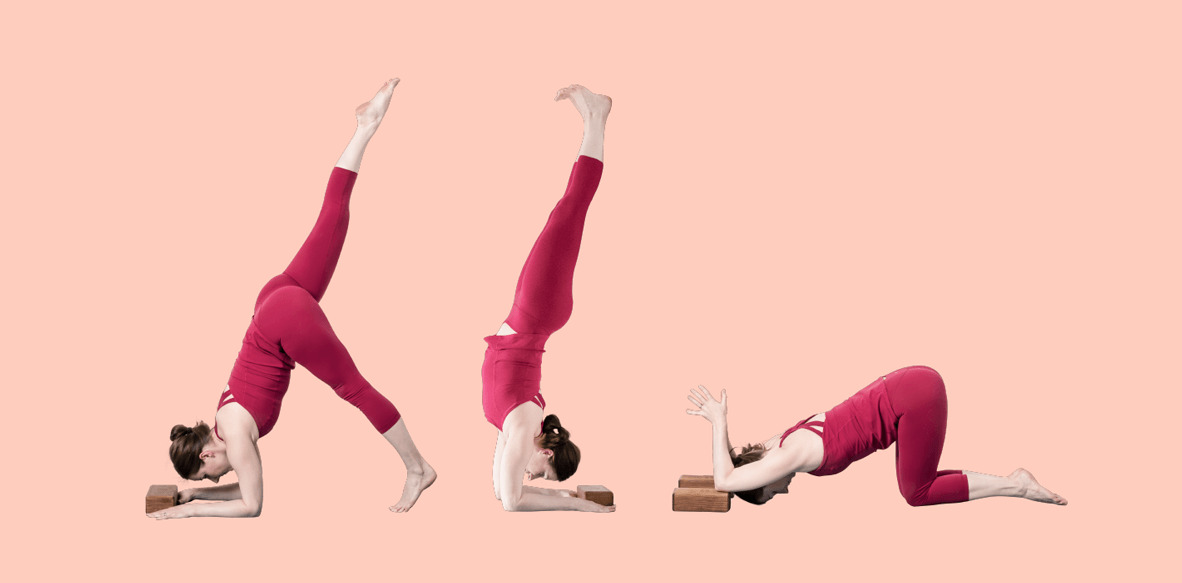
Inversions change the traditional connection between the head and the heart, which is good for both your body and mind. These positions help blood flow, strengthen the upper body, and improve balance. They also push practitioners to face their fears and learn to trust their skills.
Inversions literally shift your point of view. It can be refreshing and motivating to look at the world from a different angle. When done with patience and the right preparation, yoga poses that entail inversion can help people feel more confident and focused. They also remind people that progress often happens outside of their comfort zones.
Breathing and Alignment in Yoga
Breath is what ties all the parts of yoga together. If you don’t breathe consciously, the postures are just physical exercises. When your body is properly aligned, energy flows through it easily and the danger of damage is reduced. Breath and alignment work together to turn exercise into a meditative experience.
When you practice yoga positions while paying attention to your breath, you may listen to your body and make changes as needed. This inner conversation helps you respect yourself and be patient, two traits that go beyond the mat and into your daily life.
Making a Yoga Routine that Lasts
In yoga, consistency is more important than how hard you work. A sustainable habit takes into account each person’s limits and encourages slow improvement. When done with sincerity and commitment, even short daily sessions can lead to important changes.
Keeping your motivation up is easier when you set goals that are possible to reach. Instead of trying to be flawless, yoga teachers tell their students to pay attention to how the poses feel in their own bodies. This tailored approach makes sure that yoga stays a source of sustenance instead of stress.
How Yoga Affects Every Part of Your Life
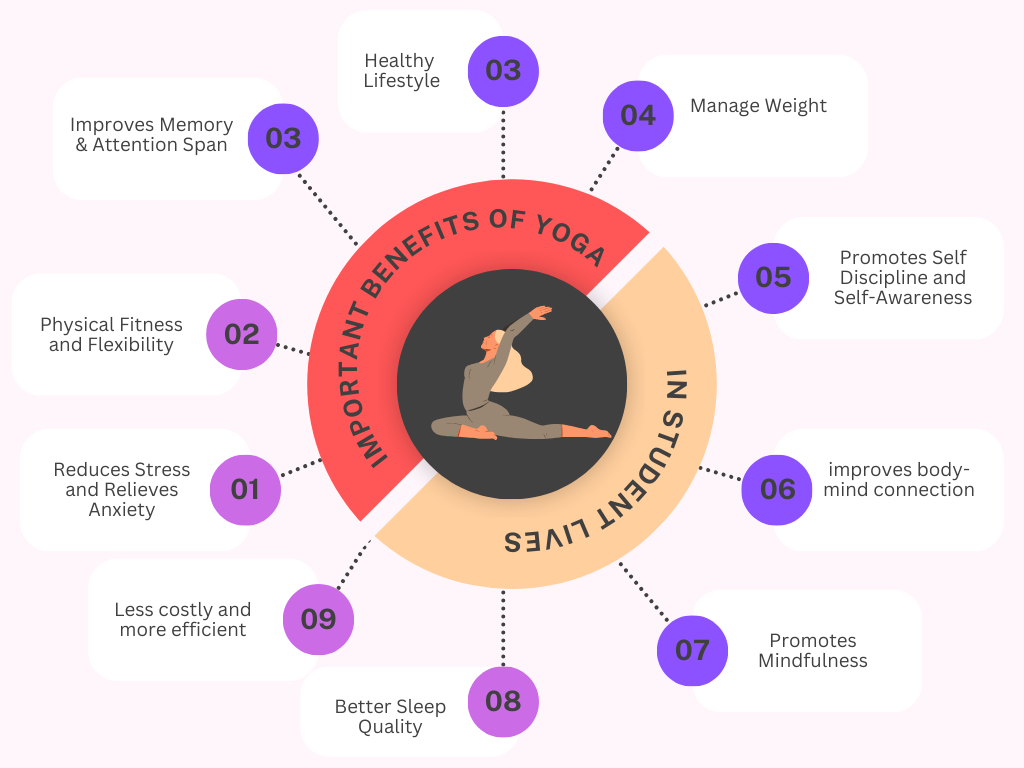
The benefits of yoga go beyond just getting healthy over time. People who do this typically realize that their posture gets better, they react to stress in a calmer way, and they become more conscious of their habits and choices. This overall effect shows that yoga is more than just an exercise; it’s a way of life.
Yoga positions help with general health by combining mindful movement, breath awareness, and self-reflection. They are useful tools for living a balanced, strong, and clear existence in today’s world.
Conclusion: Making Yoga a Part of Your Life
Yoga isn’t about getting good at hard moves or getting praise from other people. It’s about building a stronger connection with your body and mind. Yoga positions can help you understand yourself and find calm inside yourself if you do them often. Every session is a chance to reconnect, let go of stress, and get back in balance.
Yoga changes with the person who does it, responding to their changing needs and situations. Yoga is a wonderful tool for getting healthy, becoming more aware, and finding peace, whether you do it slowly or quickly.
Read More:- What Is the Duration of Yoga Break for Daily Health Balance