


Growing older is a natural part of life, and taking care of yourself as you age is one of the most important investments you can make in your future wellbeing.
Healthy ageing is not only about living longer, but about maintaining strength, independence, comfort, and a good quality of life. With the right habits and timely medical care, it is possible to age with confidence and dignity.
Stay Physically Active
Movement becomes even more important as you age.
Regular physical activity helps maintain muscle strength, joint flexibility, balance, and heart health. Gentle exercises such as walking, stretching, swimming, and low-impact strength work can help keep the body active without placing unnecessary stress on the joints.
Exercise also helps reduce the risk of falls, improves mood, and supports healthy weight management.
Focus on a Nutritious Diet
Your body needs the right fuel to stay strong.
A balanced diet rich in fruits, vegetables, lean proteins, whole grains, and healthy fats supports energy levels, bone health, and immune function. Calcium and vitamin D are especially important as you age because they help protect bone strength and reduce the risk of fractures.
Staying well hydrated is equally important.
Prioritise Joint Health
As the body ages, joints naturally experience wear and tear.
Taking care of your knees, hips, and back through gentle movement, weight control, and proper footwear can make a major difference. Avoiding unnecessary strain on the joints can help preserve mobility and reduce pain over time.
Do Not Ignore Persistent Knee Pain
One important part of ageing well is addressing mobility issues early.
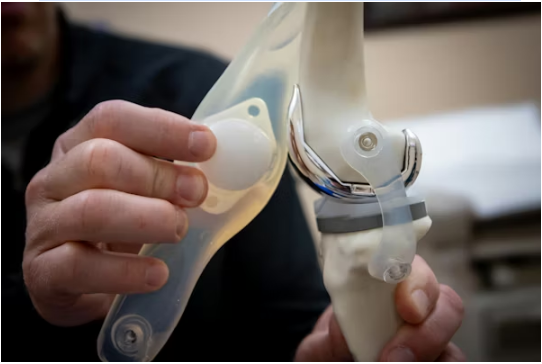
If knee pain becomes severe and begins affecting your daily life, it may be time to discuss a knee replacement operation with a specialist. Chronic pain, stiffness, swelling, and difficulty walking are signs that the knee joint may be significantly worn down.
A knee replacement operation can help restore movement, reduce pain, and greatly improve independence, allowing you to continue living actively as you age. For many older adults, this procedure can be life-changing.
Take Care of Your Mental Health
Emotional wellbeing is just as important as physical health.
Stay socially connected with family, friends, and community activities. Isolation can affect mental health, so regular interaction and meaningful conversation help support emotional balance.
Activities such as reading, puzzles, hobbies, and learning new skills can also help keep the mind sharp.
Schedule Regular Health Check-Ups
Preventive care becomes increasingly important with age.
Regular medical appointments help monitor blood pressure, heart health, diabetes risk, vision, hearing, and bone strength. Early detection of health issues often makes treatment far easier and more effective.
Get Enough Rest
Sleep plays a major role in healthy ageing.
Proper rest supports healing, memory, immune function, and energy levels. Creating a consistent sleep routine can help improve both physical and mental wellbeing.
Listen to Your Body
Perhaps the most important part of ageing well is paying attention to how you feel.
Persistent pain, fatigue, mobility issues, or sudden changes in health should never be ignored. Seeking timely medical support can prevent minor issues from becoming major problems.
Taking care of yourself as you age means staying active, eating well, protecting your joints, supporting mental health, and addressing issues such as knee pain early, including considering a knee replacement operation when necessary.