

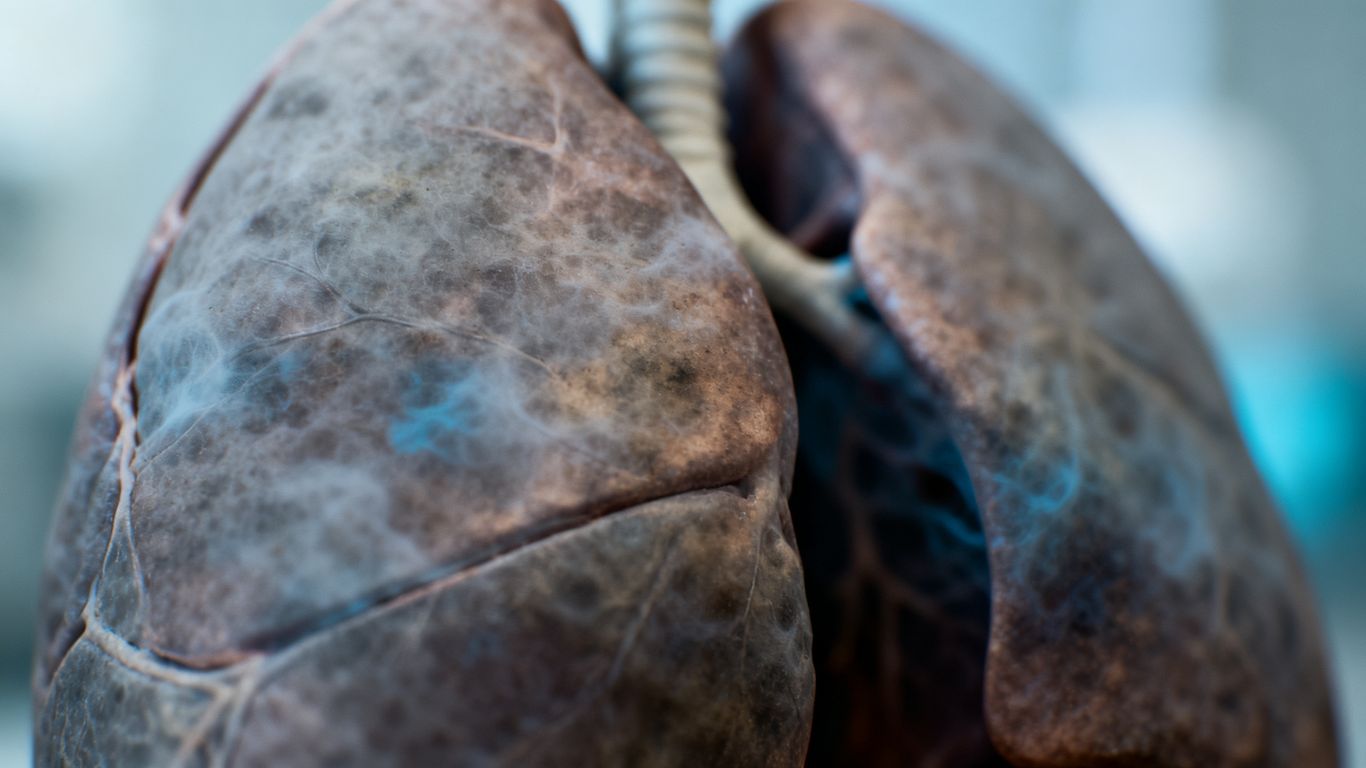

Asbestos-related lung cancer is a serious health condition that develops after individuals inhale microscopic asbestos fibers. These fibers can become lodged deep within the lungs, leading to cellular changes over time. It’s important to understand that this type of cancer doesn’t appear immediately after exposure; there’s typically a significant latency period, often spanning decades, before any symptoms manifest.
Defining Asbestos-Related Lung Cancer
This specific form of lung cancer originates within the lung tissue itself, distinguishing it from other asbestos-related conditions like mesothelioma, which affects the lining of the lungs. The development of tumors is directly linked to the body’s reaction to the foreign asbestos particles. The risk and severity of asbestos-related lung cancer are generally dose-dependent, meaning the longer and more intense the exposure, the higher the likelihood of developing the disease.
How Asbestos Exposure Impacts the Lungs
When asbestos fibers are inhaled, they can penetrate the lung tissue. The body’s immune system attempts to remove these foreign bodies, but the needle-like shape of asbestos fibers makes them difficult to expel. This can lead to chronic inflammation and scarring, a condition known as asbestosis, which itself is a risk factor for lung cancer. The persistent irritation and cellular damage caused by these fibers can eventually trigger the uncontrolled cell growth characteristic of cancer. Understanding the progression from initial exposure to disease development is key to recognizing the potential dangers. For those concerned about past exposure, learning about asbestos exposure is a vital first step.
Epidemiology and Risk Factors
While asbestos exposure is the primary cause, other factors can influence an individual’s risk. Smoking, in particular, dramatically increases the likelihood of developing lung cancer in those exposed to asbestos. The combined effect of smoking and asbestos exposure is synergistic, meaning the total risk is greater than the sum of the individual risks. Other occupational exposures and pre-existing lung conditions may also play a role. It is estimated that approximately 4% of all lung cancer cases in the United States are linked to asbestos. Recognizing these risk factors helps in identifying individuals who may benefit from increased surveillance and early screening, especially if they have a history of lung tissue scarring.
Mechanisms and Biological Basis of Disease
How Asbestos Fibers Cause Cancer Development
When asbestos fibers are inhaled, they can become lodged deep within the lung tissue. These fibers are durable and don’t break down easily. Their shape, often needle-like, allows them to penetrate cells and cause physical damage. This physical irritation is a primary driver of the cellular changes that can lead to cancer. The body’s attempts to remove these foreign bodies trigger an inflammatory response. While this is a natural defense mechanism, chronic inflammation can become harmful. It leads to the release of reactive oxygen species and other molecules that can damage DNA. Over time, this repeated damage and the body’s persistent inflammatory response can promote the uncontrolled cell growth characteristic of cancer. The physical and chemical properties of asbestos fibers are key to their ability to initiate and promote carcinogenesis. Research is ongoing to identify specific genetic markers that might indicate asbestos exposure in individuals diagnosed with lung cancer [f325].
Role of Inflammation and Scarring in Tumor Growth
The chronic inflammation caused by asbestos fibers is not just a reaction; it actively contributes to the tumor microenvironment. Inflammatory cells release growth factors and signaling molecules that can encourage cell proliferation and survival, even for damaged cells. This environment can also suppress the immune system’s ability to detect and eliminate cancerous cells. Over prolonged periods, this inflammation can lead to fibrosis, or scarring, of the lung tissue. While scarring itself isn’t cancer, the constant cycle of injury, inflammation, and repair creates conditions where cells are more likely to undergo malignant transformation. This scarred tissue can also impede the normal function of the lungs and potentially trap carcinogens, further increasing risk. The precise way asbestos fibers reach the lining of the lungs, known as the pleura, is still being studied [f9b4].
Latency Period and Influencing Factors
One of the most challenging aspects of asbestos-related lung cancer is the long latency period. It typically takes many years, often decades, between the initial asbestos exposure and the development of detectable cancer. This extended timeframe is due to the slow accumulation of cellular damage and the complex biological processes involved in carcinogenesis. Several factors can influence this latency period and the overall risk:
- Intensity and Duration of Exposure: Higher levels of asbestos exposure and longer periods of exposure generally lead to a shorter latency period and increased risk.
- Type of Asbestos Fiber: Different types of asbestos fibers (e.g., chrysotile, amosite, crocidolite) may have varying carcinogenic potentials.
- Smoking Habits: Smoking significantly multiplies the risk of developing lung cancer in individuals exposed to asbestos. The combined effect of asbestos and smoking is synergistic, meaning the total risk is greater than the sum of the individual risks.
- Individual Susceptibility: Genetic factors and the individual’s immune system response can also play a role in determining susceptibility to asbestos-induced cancer.
Symptoms and Early Warning Signs of Asbestos-Related Lung Cancer
Common Clinical Symptoms
It’s important to know that asbestos-related lung cancer often doesn’t show obvious signs in its early stages. This can be a significant challenge, as symptoms typically emerge when the disease has progressed. When symptoms do appear, they can be quite similar to those of other respiratory conditions, making them easy to overlook or misdiagnose. The most frequently reported symptoms include a persistent cough, shortness of breath, and chest pain. Other signs that individuals might experience are:
- Recurring chest infections that don’t clear up with treatment.
- Coughing up blood or noticing blood in phlegm.
- Unexplained fatigue or a general lack of energy.
- Hoarseness or wheezing sounds when breathing.
- Loss of appetite and unintended weight loss.
- Pain when breathing or coughing.
Differences From Other Respiratory Illnesses
Distinguishing asbestos-related lung cancer from other lung conditions can be difficult because the symptoms overlap considerably. For instance, a persistent cough might be attributed to bronchitis or allergies, while shortness of breath could be mistaken for asthma or emphysema. Chest pain can also be a symptom of many issues, from muscle strain to pneumonia. This similarity is a major reason why diagnosis can be delayed. Unlike some acute respiratory infections, the symptoms of asbestos-related lung cancer tend to develop gradually over a long period, often years after the initial exposure. It’s also worth noting that swelling in the face or neck, or abdominal swelling, can sometimes be an indicator of asbestos-related diseases, prompting a visit to the doctor if you have a history of exposure [2da1].
Importance of Early Detection and Screening
Given the often subtle and overlapping nature of the symptoms, early detection and regular screening are incredibly important for individuals with a history of asbestos exposure. Even if you feel fine, having regular check-ups can help catch potential problems early. Screening, such as chest CT scans, can identify abnormalities before symptoms become severe. This proactive approach significantly improves the chances of successful treatment and better patient outcomes. If you know you’ve been exposed to asbestos, discussing a screening schedule with your healthcare provider is a wise step [4ced]. Informing your doctor about your past exposure history is a critical part of the diagnostic process.
Diagnosis and Staging of Asbestos-Related Lung Cancer
Medical and Exposure History Assessment
When a patient presents with symptoms that suggest lung cancer, especially if there’s a known history of asbestos exposure, a thorough medical and occupational history is the first step. Doctors will inquire about past work environments, potential exposure durations, and any previous respiratory conditions. This information is vital because asbestos-related lung cancer often has a long latency period, meaning symptoms may not appear for decades after exposure. Establishing a clear link between the diagnosis and past asbestos contact is a key part of the diagnostic process. Informing your doctor about any suspected asbestos exposure is incredibly important, as it can guide their diagnostic approach and help rule out other conditions. For instance, the Helsinki Criteria are sometimes used to help determine if asbestos is the primary cause of lung cancer, looking at factors like asbestosis, asbestos fiber levels in lung tissue, and the history of exposure.
Diagnostic Imaging and Biopsy Procedures
Following the initial history, various diagnostic tools are employed to visualize the lungs and obtain tissue samples. Imaging tests are fundamental in this stage:
- Radiographs (X-rays): These are often the first imaging tests performed. While they can show abnormalities and help rule out other diseases, they may not always provide a definitive diagnosis for lung cancer.
- Computed Tomography (CT) Scans: CT scans offer more detailed cross-sectional images of the lungs, helping to pinpoint the tumor’s location, size, and potential spread. CT-guided biopsies are also common, where the scan helps guide a needle to collect a tissue sample.
- Positron Emission Tomography (PET) Scans: PET scans can help assess metabolic activity within tumors and identify if cancer has spread to lymph nodes or other parts of the body.
To confirm a diagnosis, a biopsy is almost always necessary. The method chosen depends on the tumor’s location:
- Bronchoscopy: A thin, flexible tube with a camera is inserted into the airways to examine them and collect tissue samples.
- Transthoracic Biopsy: A needle is used to extract tissue from a tumor located in the outer parts of the lung.
- Thoracoscopy: This procedure involves a small surgical incision to allow for a wider view of the chest cavity and tissue collection. It can lead to a correct diagnosis in about 95% of cases.
Interpreting Stages of the Disease
Once a diagnosis is confirmed, staging the cancer is the next critical step. Staging describes the extent of the cancer, including its size, whether it has spread to nearby lymph nodes, and if it has metastasized to other organs. This information is crucial for determining the best treatment plan and predicting the patient’s prognosis. While staging systems can vary, a general approach for asbestos-related lung cancer might consider:
- Stage 1: The tumor is relatively small and has not spread to lymph nodes.
- Stage 2: The tumor is larger or has spread to nearby lymph nodes.
- Stage 3: The tumor is larger and has spread more extensively into nearby tissues or lymph nodes.
- Stage 4: The cancer has metastasized to distant parts of the body.
Accurate staging, often involving imaging like CT scans and PET scans, helps medical professionals understand the disease’s progression and plan appropriate interventions, similar to how mesothelioma is diagnosed.
Current Treatment Modalities and Emerging Therapies
When it comes to treating asbestos-related lung cancer, a multi-faceted approach is often employed, combining established methods with newer, promising techniques. The goal is to manage the disease, alleviate symptoms, and improve patient outcomes. Treatment plans are highly individualized, taking into account the cancer’s stage, the patient’s overall health, and their specific exposure history.
Surgical Approaches and Indications
Surgery remains a primary option, particularly when the cancer is detected early and has not spread significantly. The type of surgery depends on the tumor’s size and location:
- Lobectomy: This involves removing a lobe of the lung where the cancer is located. It’s a common procedure for asbestos-related lung cancer when the disease is localized.
- Pneumonectomy: In more extensive cases, the entire lung may need to be removed.
- Wedge Resection: A smaller portion of the lung tissue is removed if the tumor is very small.
Surgical intervention aims to physically remove cancerous tissue, thereby controlling the disease’s progression. Decisions regarding surgery are made carefully, weighing the potential benefits against the risks involved for each patient.
Radiation and Chemotherapy Options
Radiation therapy and chemotherapy are frequently used, either as primary treatments or in conjunction with surgery. Radiation therapy utilizes high-energy rays to target and destroy cancer cells or to slow their growth, often employed to prevent recurrence after surgery. Chemotherapy, typically administered as a series of treatments, uses drugs to kill cancer cells throughout the body. For asbestos-related lung cancer, chemotherapy regimens often involve platinum-based drugs, which have shown effectiveness in shrinking tumors and eliminating cancerous cells. Sometimes, chemotherapy is combined with radiation therapy over a period of several weeks for a more aggressive attack on the cancer.
Innovations in Immunotherapy and Targeted Treatments
The landscape of cancer treatment is continually evolving, with significant advancements in immunotherapy and targeted therapies offering new hope. Immunotherapy works by stimulating the patient’s own immune system to recognize and fight cancer cells. This approach has become a standard, first-line option for many types of non-small cell lung cancer, including those linked to asbestos exposure. Drugs like Keytruda, Opdivo, and Tecentriq are examples of immunotherapies that target specific proteins, essentially releasing the brakes on the immune system so it can attack the cancer. Research is also actively exploring novel immune-targeted therapies, such as those involving VISTA and LAG-3 pathways, aiming to refine treatment strategies and improve patient responses. These innovative treatments represent a major step forward in managing asbestos-related lung cancer, offering more personalized and potentially less toxic options for patients. Accessing information on clinical trials can be a way to explore these cutting-edge immunotherapy treatments.
Prognosis, Survival Rates, and Patient Outcomes
Factors Affecting Prognosis
The outlook for individuals diagnosed with asbestos-related lung cancer is influenced by several key factors. The stage at which the cancer is detected plays a significant role; earlier stages generally present a more favorable prognosis than advanced ones. The specific type and subtype of lung cancer, along with the patient’s overall health and the presence of other conditions like asbestosis, also impact outcomes. The effectiveness of the chosen treatment plan and how well the patient responds to it are also critical components in determining long-term survival.
Long-Term Management and Monitoring
Following initial treatment, ongoing management and regular monitoring are vital for patients with asbestos-related lung cancer. This typically involves a schedule of follow-up appointments, imaging scans, and potentially other tests to watch for any signs of recurrence or new developments. This vigilant approach helps in managing any lingering symptoms and addressing potential complications promptly. Patients are often advised to maintain a healthy lifestyle and avoid further exposure to asbestos or other lung irritants. Finding a specialist familiar with asbestos-related conditions can be beneficial for personalized care Connect with top-rated doctors.
Quality of Life Considerations
Beyond survival statistics, maintaining a good quality of life is a primary concern for individuals managing asbestos-related lung cancer. This involves addressing physical symptoms, such as shortness of breath or pain, through palliative care and symptom management strategies. Emotional and psychological support is also important, as a cancer diagnosis can be overwhelming. Patients and their families may benefit from support groups and counseling services. Open communication with the healthcare team about concerns and goals can help tailor care to individual needs and priorities, aiming for the best possible well-being throughout the treatment journey and beyond. While survival rates for lung cancer are generally low lung cancer survival rates are generally low, focusing on quality of life can make a significant difference.
Legal Rights and Compensation for Affected Individuals
Linking Cancer Diagnosis to Asbestos Exposure
When an individual receives a diagnosis of lung cancer and has a history of asbestos exposure, it is important to establish a clear connection between the two. This connection is the basis for seeking legal recourse and potential compensation. Proving that asbestos exposure was a significant factor in the development of the lung cancer is a primary step. This often involves detailed medical records, employment history, and expert testimony to demonstrate the link. Companies that failed to adequately warn workers or provide protective measures when asbestos was known to be hazardous may be held liable. The latency period of asbestos-related diseases means that diagnoses can occur decades after exposure, making the documentation of past work environments and potential exposure sites critical.
Filing a Claim or Lawsuit
Individuals diagnosed with asbestos-related lung cancer may have several avenues for seeking compensation. These can include filing a claim through workers’ compensation programs or pursuing a personal injury lawsuit against responsible parties. The process typically involves:
- Gathering Evidence: This includes medical records detailing the diagnosis, employment records showing potential exposure, and witness statements if available.
- Consulting Legal Counsel: An attorney experienced in asbestos litigation can assess the case, explain legal options, and guide the individual through the claims process. They can help determine eligibility for compensation from asbestos manufacturers [2a4f].
- Filing the Claim or Lawsuit: This formally initiates the legal process, whether it’s a claim with a compensation board or a lawsuit filed in court.
Many asbestos lung cancer cases are resolved through settlements, which can provide financial relief without the need for a lengthy trial. Settlements can help cover medical expenses, lost wages, and other damages. In some instances, verdicts in favor of plaintiffs have resulted in substantial financial awards [5513].
Resources for Financial and Legal Assistance
Navigating the legal and financial aspects of an asbestos-related lung cancer diagnosis can be overwhelming. Fortunately, various resources are available to assist affected individuals and their families. Specialized law firms focus on asbestos litigation and can provide guidance on filing claims and lawsuits. These firms often work on a contingency fee basis, meaning they only get paid if compensation is recovered. Additionally, government benefits and support programs may be accessible, particularly for veterans who may have been exposed during military service. Seeking advice from these resources can help ensure that individuals receive the support and compensation they are entitled to.