


Introduction
Getting rid of fat in a healthy way that lasts might be hard because of conflicting advice, excessive diets, and unrealistic goals. A lot of people start out with motivation but lose their way when they don’t see results or when they do get results but they don’t last. This is where a calorie calculator for weight loss comes in handy. You don’t have to estimate how much to eat or follow trends anymore. You now have a clear, tailored picture of how many calories you need each day.
A calorie calculator for weight loss helps connect effort and outcomes by giving you a plan. It changes losing weight from an emotional process to one that can be measured. When the number of calories you eat matches what your body needs, it’s easier to make progress and keep it going. If you know how this calculator works, why it matters, and how to use it well, it can entirely shift how you think about food and exercise.
How to Understand Calories and Losing Weight
Your body needs calories to do everything, from breathing and digesting food to walking and working out. When your body burns more calories than it eats over time, you lose weight. This difference is called a calorie deficit. The idea is easy to understand, but people often get it wrong when they try to do it.
A lot of people don’t realize how many calories they eat or how much they burn. This makes people angry and slows down development. A weight loss calorie calculator takes away a lot of the guesswork by determining how many calories your body needs to stay at its present weight and how much you may safely cut back on.
Calories are not bad. They are facts. When used correctly, calorie data can help you lose fat instead of muscle or slow down your metabolism.
What is a Calorie Calculator for Losing Weight
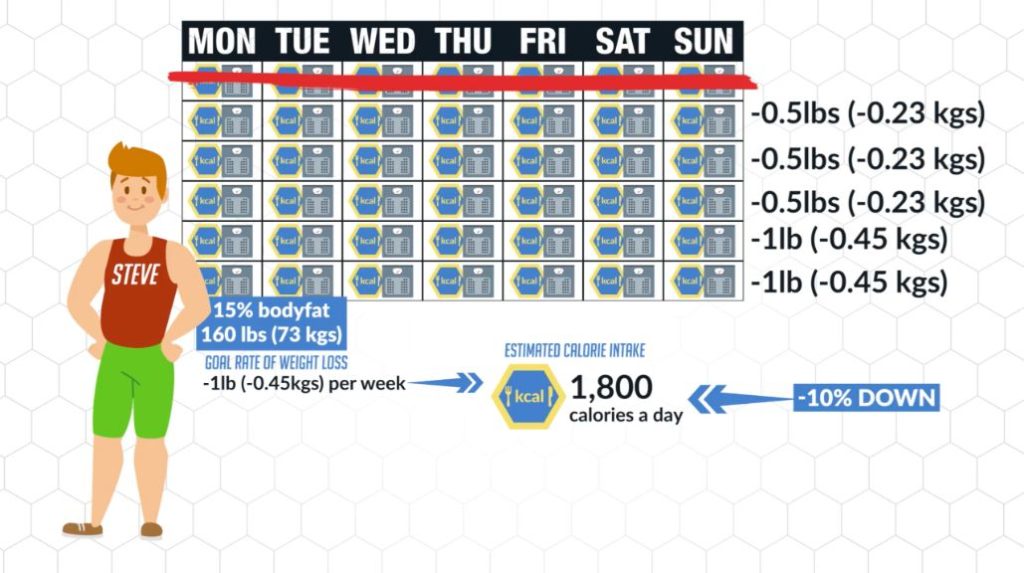
A weight loss calorie calculator is a tool that helps you figure out how many calories you need to eat each day to lose weight. It looks at things like age, gender, height, weight, and how active you are. Some more advanced versions additionally take into account your body type and exercise goals.
The first thing the calculator does is figure out how many calories you need to eat to keep your weight the same. From then, it uses a calorie deficit to help you lose weight slowly and healthily. This method is much safer and works better than excessive diets.
A weight loss calorie calculator doesn’t give you a one-size-fits-all answer; it changes based on your needs. This customization is what makes it more dependable than general diet plans.
Why Trying to Guess Calories Doesn’t Work
A lot of individuals try to lose weight by eating less, but they don’t know how much less is right. This often means not eating enough calories, which can make you tired, crave food, lose muscle, and mess up your hormones. Some people eat too much without realizing it because they think they are in a deficit when they are not.
Without correct calorie goals, improvement is not always steady. A calorie calculator for weight loss makes things clearer. It provides you a number that is reasonable, doable, and based on what your body really requires for energy instead of what you think it needs.
Guessing also makes it hard to fix plateaus. If you don’t know where you started, you can’t make changes when progress stops. When you have accurate calorie data, you can make strategic modifications instead of emotional ones.
How to Use a Calorie Calculator for Weight Loss
The calculator usually starts by figuring out your basal metabolic rate, which is the number of calories your body needs when it’s not doing anything. After then, this number is changed dependent on how active you are to find out how many calories you burn each day.
A calorie deficit is used once maintenance calories have been set. This deficit is usually moderate enough that fat loss is consistent but muscle and energy levels stay the same. A calorie calculator for weight loss helps make sure that the deficit is not too big.
Your body needs different amounts of calories as your weight varies. Recalculating every so often keeps things moving forward and stops them from getting stuck.
The Significance of a Secure Caloric Deficit

A calorie deficit that is too extreme can be bad for you. Losing weight too quickly might cause you to lose muscle, slow down your metabolism, and make it more likely that you will gain weight again. A calorie calculator for weight reduction helps stop this by suggesting a shortfall that is good for your health in the long run.
Your body can adjust to slow and consistent fat reduction without turning on survival mechanisms. It also helps you stick with it better because you won’t feel starved or tired as much. For outcomes that last, consistency is much more important than speed.
How Activity Levels Affect Your Calorie Needs
A person’s daily calorie needs are greatly affected by how much they move about. Someone who does a physically demanding job or exercises a lot will need more calories than someone who doesn’t do anything. A calorie calculator for weight loss takes this discrepancy into account to make sure the numbers are right.
If you think you’re more active than you really are, you might eat too many calories. If you think you’re less active than you really are, you might limit yourself too much. For the calculator to give you useful results, you need to be honest about how active you are.
Your level of activity may fluctuate as your fitness level improves. Reassessing how many calories you require makes sure that your plan changes as your body does.
How to Use the Calculator to Get Real Results
The first step is to know how many calories you want to eat. What makes it work is using it all the time. A calorie calculator for weight loss gives you a daily guidance, not a strict rule. It is acceptable and beneficial to be flexible from time to time.
Keeping track of what you eat helps you stay on track with your goals. Over time, this helps people learn how to be more conscious and limit their portions. Once people understand their routines, they often don’t need to keep track as tightly.
Instead of putting pressure on you, the calculator should be a guidance. We don’t assess progress in days, but in weeks.
Things People Do Wrong When Using a Calorie Calculator for Weight Loss
One common mistake is to think of the calculator as a promise instead of an estimate. A weight loss calorie calculator is incredibly helpful, but it can’t take into consideration every person’s unique situation. It should be changed based on how things are going in the real world.
Another mistake is not paying attention to the quality of your food. Calories are important, but so are protein, fiber, and micronutrients. Even when you’re not eating a lot of calories, eating meals that are high in nutrients can help you feel full and have more energy.
People generally don’t give enough credit to consistency. If you only use the calculator for a few days and then stop, it won’t work as well. Long-term adherence is what leads to outcomes.
Changing the Number of Calories Over Time

The body needs less calories when it loses weight. This is a natural and anticipated thing to happen. You should check a weight loss calorie calculator every so often to make sure it still works for your body weight and activity level.
Plateaus are not failures. They are signs that changes could be necessary. You don’t have to go to extremes to get back on track; just cutting less on calories or getting more exercise can help.
The best results come from using data and paying attention to your body. Hunger, energy levels, and performance all give useful feedback.
The Mental Benefits of Knowing How Many Calories You Eat
Knowing how many calories you need can help you feel less anxious about meals. You don’t think of foods as good or bad anymore; instead, you see them as sources of energy that fit into a bigger picture. A calorie calculator for losing weight helps you stay balanced.
Having clear goals makes it easier to make decisions. You don’t have to guess anymore if you’re eating too much or too little. This confidence makes you more consistent and motivated.
As time goes on, being aware of calories becomes second nature, which makes it easier to manage your weight even if you don’t keep track of them all the time.
Who Should Use a Calorie Calculator for Weight Loss
A weight loss calorie calculator can help anyone who wants to reduce weight in a healthy and planned method. It is especially helpful for people who are just starting out and are confused by all the different recommendations.
Athletes, busy professionals, and people who are getting back into shape after a break can also use it to make sure their diet matches their goals. The calculator changes based on your lifestyle and level of fitness.
People who have tried many diets without success typically discover clarity and improvement once they understand their calorie demands.
Example Calorie Goals Based on Your Lifestyle
The table below shows how different lifestyles might affect how many calories you need. These are rough approximations and should not be used instead of personalized computations.
| Lifestyle Type | Estimated Daily Calories for Weight Loss |
|---|---|
| Sedentary Adult | 1600 to 1800 calories |
| Lightly Active Adult | 1800 to 2000 calories |
| Moderately Active Adult | 2000 to 2200 calories |
| Highly Active Adult | 2200 to 2500 calories |
This table shows why tailored tools are so useful. A calorie calculator for weight loss makes these estimations more accurate by using your own information.
Long-Term Success and Lasting Success

The major reason to use a calorie calculator for weight reduction is not just to lose weight, but also to keep it off. Long-term habits are more important than short-term restrictions. Knowing how your body reacts to calories helps you make smart choices for the rest of your life.
Losing weight isn’t a straight line. There will be good and bad times, but using facts to make decisions can help you stay grounded. You don’t react with emotion; you change your mind instead.
You may have a better connection with food and your body if you focus on education instead than restriction.
Conclusion
A calorie calculator for weight reduction does more than just give you numbers. It helps you figure out how much energy your body requires and how to meet those demands with your goals. When you utilize it regularly and with thought, it clears up uncertainty and replaces it with clarity.
Losing weight is less about willpower and more about having a plan. If you are patient, honest, and consistent, the calculator will become a reliable guide instead of a strict set of rules.
Learning how to utilize a weight loss calorie calculator effectively can be one of the most important things you do to get control, stay on track, and see genuine results.
Read More:- Healthy Snacks Guide for Daily Energy, Weight Control and Wellness